
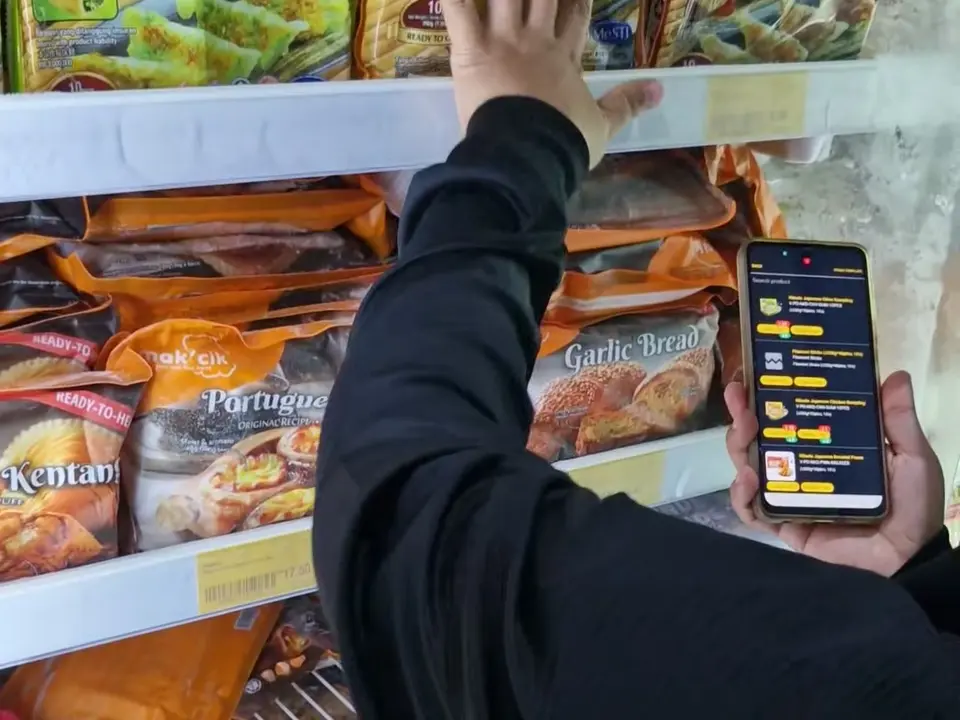
An empty shelf position is a symptom, not a diagnosis. Before increasing visits or sending more stock, determine whether the product is in the backroom, awaiting replenishment, not listed at the outlet or unavailable further up the supply chain.
Classify the shortage accurately
Use the agreed range list to identify the missing SKU and pack size. Record whether it should be stocked, whether it is on the shelf and what backroom information is available. If the team cannot verify stock or listing status, mark it as unknown rather than guessing. This prevents a reporting gap from becoming a misleading availability result.
Match the action to the cause
Available backroom stock may need an authorised replenishment action. An ordering or delivery issue needs escalation to the responsible retailer or distributor contact. An incorrect shelf position may require a display correction. Give each exception an owner and expected follow-up date instead of forwarding the same undifferentiated shortage list to everyone.
Review patterns across visits
Compare the same SKU and outlet over time. Repeated gaps before a scheduled visit may suggest that the replenishment routine or visit timing needs review. Consider sales patterns, delivery timing and shelf capacity together; additional visits cannot create stock that has not arrived.
Verify the correction
Close an issue only after suitable evidence confirms the product is available again. Keep the original observation and the follow-up date so the team can see how long the gap remained open. A store-level merchandising report can support this process, while a retail audit can provide a separate view of recurring availability problems.
